An Old-Fashioned Kitchen Note
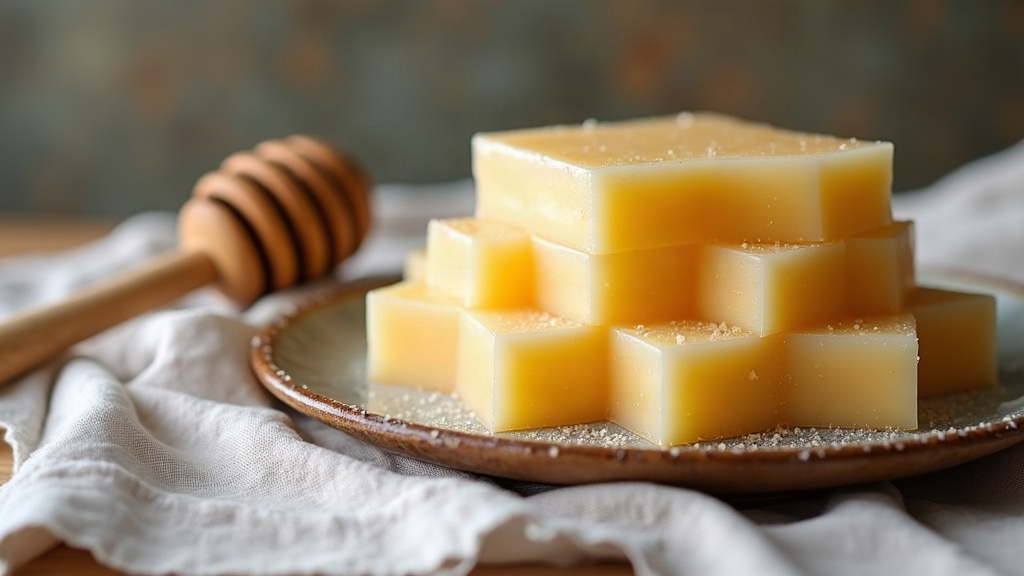
Why Grandpa's Baking Soda And Honey Gelatin Recipe Still Sits On Some Kitchen Counters
Long before wellness aisles existed, kitchens had their own quiet rituals. This is an editorial look at baking soda and honey gelatin — the simple jar recipe some households never stopped making.
Small Signs Men Notice After 50
It rarely announces itself. It just shows up in small moments — the ones that used to feel effortless.
Mornings Feel Slower
Getting going takes longer than it used to, and that's just how it is some days.
Sleep Isn't What It Was
You go to bed early enough, but morning still feels like it arrived too soon.
The Belt Fits Different
Nothing dramatic changed, yet the same pants sit differently than they did a few years back.
Afternoon Energy Dips
There's a stretch in the day where focus just seems to drift.
Notes From Other Kitchens

Illustrative composite examples. Individual results vary. Not a guarantee.
Myths vs Facts
Old kitchen recipes tend to collect a lot of assumptions. Here’s a closer look at a few of them.
Old kitchen recipes like this must be outdated or pointless.
Some traditional preparations simply reflect what pantries had on hand generations ago — no more, no less.
If it’s not sold in a store, it can’t be a real recipe.
Many household preparations were passed down through notebooks and memory, never sold anywhere.
Baking soda and honey gelatin is a modern wellness trend.
References to combining pantry staples like these go back well before modern wellness marketing existed.
How The Jar Recipe Is Put Together
Three simple steps, the same way it’s been done for generations.
Warm The Honey Gently
A small amount of honey is warmed just enough to loosen it — no boiling, no rush.
Stir In The Gelatin
Plain gelatin is mixed in slowly, off the heat, until it dissolves into the honey.
Add A Pinch Of Baking Soda
A small pinch goes in last, and the mixture is poured into a small jar to set in the fridge.
Where This Kitchen Habit Comes From
Before refrigerated aisles and labeled supplements, kitchens relied on what was already in the cupboard. Honey for sweetness and preservation, baking soda for its long shelf life, and gelatin because it was cheap, shelf-stable, and easy to set in small batches. Recipes like this one weren’t written for wellness magazines — they were written on the inside cover of a notebook, passed from one kitchen to the next.
This is a look at a household habit, not a therapeutic claim. It’s presented here for its history and its place in domestic routine — not as a treatment for any condition.
Things Worth Knowing Before You Try It
Not A Substitute For Medical Advice
This is a kitchen note, not a medical recommendation. Talk to a healthcare professional about any health concern.
Ingredient Sensitivities Exist
Some people react to honey, gelatin, or baking soda. If you're unsure, check with a professional first.
Portion Matters
This is a small jar recipe meant to be enjoyed in modest amounts, not by the spoonful all day.
Not Intended For Everyone
Certain dietary restrictions or medical conditions may make this recipe unsuitable — when in doubt, ask.
Storage Matters
Because it contains gelatin and honey, it should be kept refrigerated and used within a reasonable time.
It's Not A Quick Fix
This is a slow, old-fashioned habit — not a shortcut, and not a promise of any particular outcome.
Common Questions About This Old Recipe
No. It’s a homemade kitchen preparation, not a manufactured supplement or drug.
It reflects a style of home preparation common in earlier decades, when pantry staples were combined out of practicality.
Yes, it’s typically made in a small batch and kept in the refrigerator until needed.
This page is an editorial and historical look at a household habit. It does not present clinical research or medical claims.
Historically, it appears in household notebooks across generations — no single group of users.
No. It should never replace medical advice, diagnosis, or treatment from a licensed professional.
Mostly out of habit and familiarity — the same reason some recipes stay in a family for decades.
Curious About The Full Story?
This page only scratches the surface of the old-fashioned jar recipe. Keep reading to see the full write-up, including the exact preparation notes.
Advertising Disclosure: This page contains sponsored content and affiliate links. We may receive compensation if you click a link or make a purchase through this site. This helps support the content but does not affect our editorial perspective.
Content Disclaimer: This content is for educational and informational purposes only. It has not been evaluated by the FDA. Nothing on this page is intended to diagnose, treat, cure, or prevent any disease or medical condition. Always consult a qualified healthcare professional before making changes to your diet, routine, or lifestyle.
Results Disclaimer: Individual experiences and results vary from person to person. Testimonials and examples shared on this page are illustrative and are not a guarantee of any specific outcome.
© 2026 · All Rights Reserved